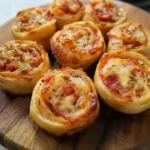
Ingredients
Scale
For the Dough:
- 1 pound Pizza Dough: You can use store-bought pizza dough for convenience, or make your own from scratch if you’re feeling ambitious! Store-bought dough is readily available in most grocery stores, either refrigerated or frozen. If using frozen dough, be sure to thaw it completely according to package directions before using. Homemade dough will offer the freshest flavor and texture, but requires more time and effort. Consider using a classic Neapolitan dough recipe or a simple no-knead dough for a less intensive option. For a healthier twist, you could even experiment with whole wheat pizza dough for a nuttier flavor and added fiber.
- 2 tablespoons Olive Oil: Extra virgin olive oil is preferred for its rich flavor and health benefits. It will be used to brush the dough and help achieve a golden brown and slightly crispy crust. Olive oil also adds moisture and prevents the dough from drying out during baking. If you don’t have olive oil on hand, you can substitute with another neutral cooking oil like canola oil or vegetable oil, though the flavor profile will be slightly different.
- 1 teaspoon Garlic Powder: Garlic powder adds a subtle savory depth to the dough, enhancing the overall pizza flavor. Ensure it’s fresh garlic powder for the best aroma and taste. You can also use fresh garlic, minced very finely, if you prefer a stronger garlic flavor. If using fresh garlic, sauté it briefly in olive oil before brushing it onto the dough to mellow its intensity and release its fragrance.
- ½ teaspoon Dried Oregano: Dried oregano is a classic Italian herb that complements the pizza flavors perfectly. Its slightly pungent and earthy notes contribute to the authentic pizza taste. Make sure your oregano is relatively fresh for optimal flavor – dried herbs lose their potency over time. You can also use other Italian herbs like basil, thyme, or rosemary, or a blend of Italian seasoning, depending on your preference.
For the Filling:
- 1 cup Marinara Sauce: Choose a good quality marinara sauce as it forms the base of the pizza flavor. You can use store-bought marinara sauce or homemade marinara sauce. Opt for a sauce that is rich, flavorful, and not overly sweet. Read the ingredient list to avoid sauces with excessive added sugar or artificial ingredients. Homemade marinara sauce allows you to control the ingredients and customize the flavors to your liking. Consider using San Marzano tomatoes for a particularly rich and authentic Italian flavor in your homemade sauce.
- 2 cups Shredded Mozzarella Cheese: Low-moisture, part-skim mozzarella is recommended for pizza rolls as it melts beautifully and provides a classic cheesy pull without becoming too watery. Pre-shredded mozzarella is convenient, but freshly shredded mozzarella will melt more smoothly and have a better texture. You can also use whole milk mozzarella for a richer, creamier flavor, but it may release more moisture during baking. For a vegan option, use a good quality vegan mozzarella alternative that melts well.
- 1 cup Ricotta Cheese: Whole milk ricotta cheese adds creaminess and a subtle tang to the filling, creating a delightful textural contrast to the melted mozzarella. Full-fat ricotta will provide the best flavor and texture, but part-skim ricotta can be used for a slightly lighter option. Ensure the ricotta is well-drained to prevent excess moisture in the pizza rolls. If you don’t have ricotta cheese, you can substitute with cream cheese, mascarpone cheese, or even cottage cheese (drained and blended smooth) for a different, but still creamy, element.
- 1 cup Mixed Vegetables, diced small: Get creative with your vegetable medley! Some excellent choices include:
- Bell Peppers (red, green, yellow): Add sweetness, color, and crunch. Diced bell peppers are a classic pizza topping and provide a good source of vitamins and antioxidants.
- Onions (yellow or red): Provide savory flavor and a slight bite. Sautéing the onions lightly before adding them to the filling can mellow their flavor and sweetness.
- Mushrooms (cremini, white button): Offer an earthy and umami flavor. Sautéing the mushrooms before adding them to the filling will remove excess moisture and enhance their flavor.
- Black Olives (pitted and sliced): Add a salty and briny flavor. Black olives are a classic pizza topping and provide a nice contrast to the other vegetables.
- Spinach (fresh or frozen, thawed and squeezed dry): Adds a boost of nutrients and a subtle earthy flavor. If using frozen spinach, be sure to thaw it completely and squeeze out as much excess water as possible to prevent soggy pizza rolls.
- Zucchini or Yellow Squash (diced): Adds a mild and slightly sweet flavor. Diced zucchini or yellow squash provide a good source of vitamins and fiber.
- Cherry Tomatoes (halved or quartered): Add bursts of sweetness and acidity. Cherry tomatoes are a vibrant and flavorful addition to vegetarian pizza rolls.
Choose a combination of vegetables that you enjoy and that complement each other in terms of flavor and texture. Aim for a variety of colors for visual appeal and nutritional diversity. Ensure all vegetables are diced into small, uniform pieces so they cook evenly and fit nicely within the pizza rolls.
- ½ cup Grated Parmesan Cheese: Parmesan cheese adds a salty, nutty, and umami-rich flavor that enhances the overall cheesy taste of the pizza rolls. Freshly grated Parmesan cheese is always preferred for its superior flavor and texture compared to pre-grated Parmesan. You can also use Pecorino Romano cheese for a similar, but slightly sharper, flavor. Parmesan cheese adds a nice crispy texture when baked on top of the pizza rolls.
- 1 teaspoon Italian Seasoning: Italian seasoning is a blend of dried herbs that typically includes oregano, basil, rosemary, thyme, and marjoram. It provides a convenient way to add a complex Italian flavor profile to the filling. Make sure your Italian seasoning is relatively fresh for optimal aroma and taste. You can also create your own Italian seasoning blend by combining individual dried herbs in equal proportions.
- Salt and Black Pepper to taste: Seasoning is crucial to bring out the flavors of all the ingredients. Start with a pinch of salt and black pepper and adjust to your taste preference. Taste the filling before assembling the pizza rolls and add more seasoning as needed. Remember that cheese and marinara sauce already contain some salt, so season cautiously and adjust gradually.
Instructions
Step 1: Preheat Oven and Prepare Baking Sheet
- Preheat your oven to 400°F (200°C). Ensure your oven is properly preheated for even baking and crispy pizza rolls. Using an oven thermometer can help you verify the accuracy of your oven temperature.
- Line a large baking sheet with parchment paper. Parchment paper prevents the pizza rolls from sticking to the baking sheet and makes cleanup much easier. Alternatively, you can lightly grease the baking sheet with cooking spray or olive oil.
Step 2: Prepare the Dough
- Lightly flour a clean work surface. This will prevent the pizza dough from sticking to the surface while you roll it out. Use all-purpose flour or semolina flour for dusting.
- Roll out the pizza dough into a large rectangle, approximately 12×18 inches. Aim for an even thickness of about ¼ inch. Use a rolling pin to gently roll out the dough, starting from the center and working outwards. If the dough is sticking, add a little more flour to the work surface or the rolling pin. A rectangular shape is ideal for creating uniform pizza rolls.
- Brush the entire surface of the dough with olive oil. Ensure you coat the dough evenly with olive oil, leaving a thin layer. The olive oil will add flavor, moisture, and help the dough brown nicely in the oven.
- Sprinkle garlic powder and dried oregano evenly over the oiled dough. Distribute the garlic powder and oregano evenly across the dough for consistent flavor in each pizza roll. You can also use other seasonings at this stage, such as red pepper flakes for a touch of heat, or Italian seasoning for a more complex herbal flavor.
Step 3: Assemble the Filling
- Spread marinara sauce evenly over the dough, leaving a ½-inch border along the edges. Use a spoon or spatula to spread the marinara sauce in a thin, even layer. Avoid over-saucing, as this can make the pizza rolls soggy and difficult to roll. Leaving a border will help seal the rolls and prevent the filling from leaking out during baking.
- Sprinkle mozzarella cheese evenly over the marinara sauce. Distribute the mozzarella cheese evenly over the sauce, ensuring it covers the entire sauced area. Mozzarella cheese is the primary melting cheese and provides the classic pizza cheese pull.
- Dollop ricotta cheese in small spoonfuls over the mozzarella cheese. Distribute small spoonfuls of ricotta cheese randomly over the mozzarella. Ricotta cheese adds creaminess and a subtle tang to the filling.
- Scatter the diced mixed vegetables evenly over the cheeses. Distribute the diced vegetables evenly over the cheeses, ensuring they are well-dispersed throughout the filling. Vegetables add flavor, texture, and nutrients to the pizza rolls.
- Sprinkle Parmesan cheese and Italian seasoning over the vegetables. Distribute the Parmesan cheese and Italian seasoning evenly over the vegetables. Parmesan cheese adds a salty and umami flavor, while Italian seasoning enhances the overall Italian flavor profile.
- Season lightly with salt and black pepper to taste. Sprinkle a pinch of salt and black pepper over the filling to enhance the flavors of all the ingredients. Remember that cheese and marinara sauce are already salty, so season cautiously.
Step 4: Roll and Slice the Pizza Rolls
- Starting from one long edge, tightly roll up the dough into a log, like a jelly roll. Roll the dough tightly but gently, ensuring the filling is enclosed within the roll. A tight roll will help the pizza rolls maintain their shape during baking.
- Pinch the seam to seal the roll. Pinch the seam along the length of the roll to seal it securely. This will prevent the roll from unrolling during baking.
- Using a serrated knife, slice the log into 1 ½-inch thick rolls. Use a sharp serrated knife for clean slices. Slice the log into even-sized rolls for uniform baking. You should get approximately 12-16 pizza rolls from this recipe, depending on the thickness of your slices.
Step 5: Bake the Pizza Rolls
- Place the pizza rolls, seam-side down, on the prepared baking sheet, spacing them slightly apart. Arrange the pizza rolls on the baking sheet with a little space between them to allow for even air circulation and browning. Placing them seam-side down helps prevent them from unrolling during baking.
- Bake for 20-25 minutes, or until golden brown and the cheese is melted and bubbly. Bake until the pizza rolls are golden brown on top and bottom, and the cheese is melted, bubbly, and slightly browned in spots. The baking time may vary slightly depending on your oven and the thickness of the rolls.
- Let cool slightly before serving. Allow the pizza rolls to cool for a few minutes on the baking sheet before serving. This will make them easier to handle and prevent burning your mouth on the hot cheese.
Step 6: Serve and Enjoy!
- Serve warm with your favorite dipping sauce, such as marinara sauce, ranch dressing, or pesto. Pizza rolls are best enjoyed warm, when the cheese is melted and gooey and the crust is slightly crispy. Serve them immediately for the best taste and texture.
Nutrition
- Serving Size: one normal portion
- Calories: 350-400
- Sugar: 5-7g
- Sodium: 600-800mg
- Fat: 18-22g
- Saturated Fat: 8-10g
- Unsaturated Fat: 8-12g
- Trans Fat: 0g
- Carbohydrates: 35-40g
- Fiber: 2-3g
- Protein: 15-18g
- Cholesterol: 40-50mg