
There’s something incredibly comforting about a bowl of vegetarian chow mein sizzling on the stove—the way the noodles soak up the savory sauce, mingling perfectly with crisp-tender veggies. After weeks of leaning on fast food, I rediscovered this vibrant dish that’s both wholesome and bursting with flavor, all ready in under 30 minutes. Whether you’re a seasoned home cook or just craving something fresh and satisfying, this vegetarian chow mein hits the spot every time—easy to customize, packed with textures, and sure to please any crowd. Let me share how this simple stir-fry transformed my dinner routine and why it might just do the same for you.
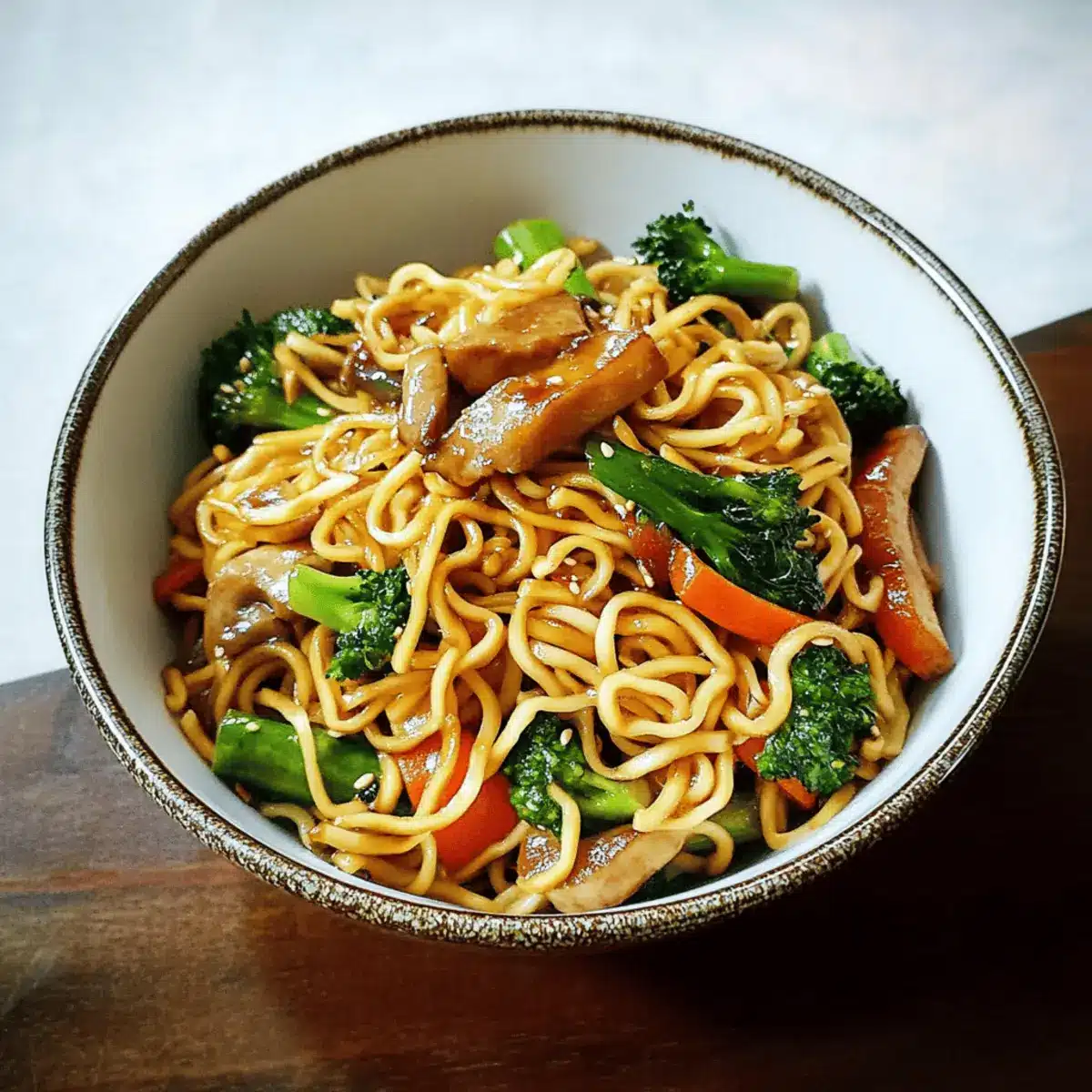
Why choose Vegetarian chow mein tonight?
Versatile and vibrant: This recipe welcomes all your favorite veggies, making each bite a colorful adventure. Quick and easy: Ready in under 30 minutes, perfect for busy weeknights or last-minute guests. Flavor-packed: Bold sauces and aromatics create a savory, mouthwatering experience that beats takeout. Crowd-pleaser: Whether family or friends, everyone loves this comforting noodle dish. Healthy and satisfying: A wholesome meal that’s both nourishing and delicious without sacrificing taste.
Vegetarian chow mein Ingredients
For the Noodles and Sauce
• Egg noodles or chow mein noodles – Use your favorite noodles or substitute with rice noodles for a gluten-free option.
• Soy sauce – Adds savory depth; opt for low-sodium to keep it light.
• Oyster sauce (vegetarian version) – Boosts umami flavor, but you can skip or replace with hoisin for a sweeter touch.
• Sesame oil – A little goes a long way to bring a nutty aroma and authentic flair.
• Garlic – Fresh minced garlic enhances the savory notes in your vegetarian chow mein.
• Ginger – Adds a zesty warmth that pairs beautifully with the vegetables.
For the Vegetables
• Carrots – Julienne or thinly slice for color and a subtle sweet crunch.
• Bell peppers (red, yellow, or green) – Brighten up your dish with these crisp, colorful veggies.
• Snap peas or snow peas – Offer a delightful snap and vibrant green contrast.
• Green onions – Stir in at the end for freshness and a mild onion bite.
• Cabbage (napa or green) – Adds volume and a tender crunch that soaks up the sauce perfectly.
• Bean sprouts – Toss in at the last minute for a light, juicy crispness.
Optional Add-ins
• Tofu (firm or extra-firm) – A protein-packed addition, marinated or pan-fried for texture.
• Chili flakes or fresh chili – Spice up your chow mein to taste with a little heat.
• Cashews or peanuts – For an extra crunch, sprinkle roasted nuts just before serving.
How to Make Vegetarian Chow Mein
-
Boil noodles: Bring a large pot of salted water to a rolling boil, cook chow mein noodles for 4–5 minutes until tender yet firm, then drain promptly to prevent sogginess.
-
Toss in oil: Transfer drained noodles to a bowl, drizzle with 1 teaspoon sesame oil, and toss gently to keep them from sticking.
-
For the Sauce: In a small bowl, whisk together soy sauce, vegetarian oyster sauce, sesame oil, minced garlic, and grated ginger until smooth and richly savory.
-
Heat wok: Warm a large wok or skillet over medium-high heat for 1 minute until shimmering, then add a tablespoon of neutral oil, swirling to coat.
-
Stir-fry veggies: Add carrots and bell peppers, tossing for 2–3 minutes until crisp-tender and colors pop, then stir in snap peas and shredded cabbage for another 1–2 minutes.
-
Combine noodles & sauce: Pour sauce over veggies, add noodles back to the wok, and toss vigorously for 1–2 minutes until everything is evenly coated and steaming hot.
-
Add freshness: Stir in bean sprouts and sliced green onions, cook for 30 seconds more so sprouts stay crunchy and onions become fragrant.
-
Serve immediately: Divide chow mein among plates or bowls, sprinkle with optional garnishes, and enjoy while piping hot for the best texture and flavor.
Optional: Sprinkle toasted sesame seeds or extra chili flakes before serving.
Exact quantities are listed in the recipe card below.
Make Ahead Options
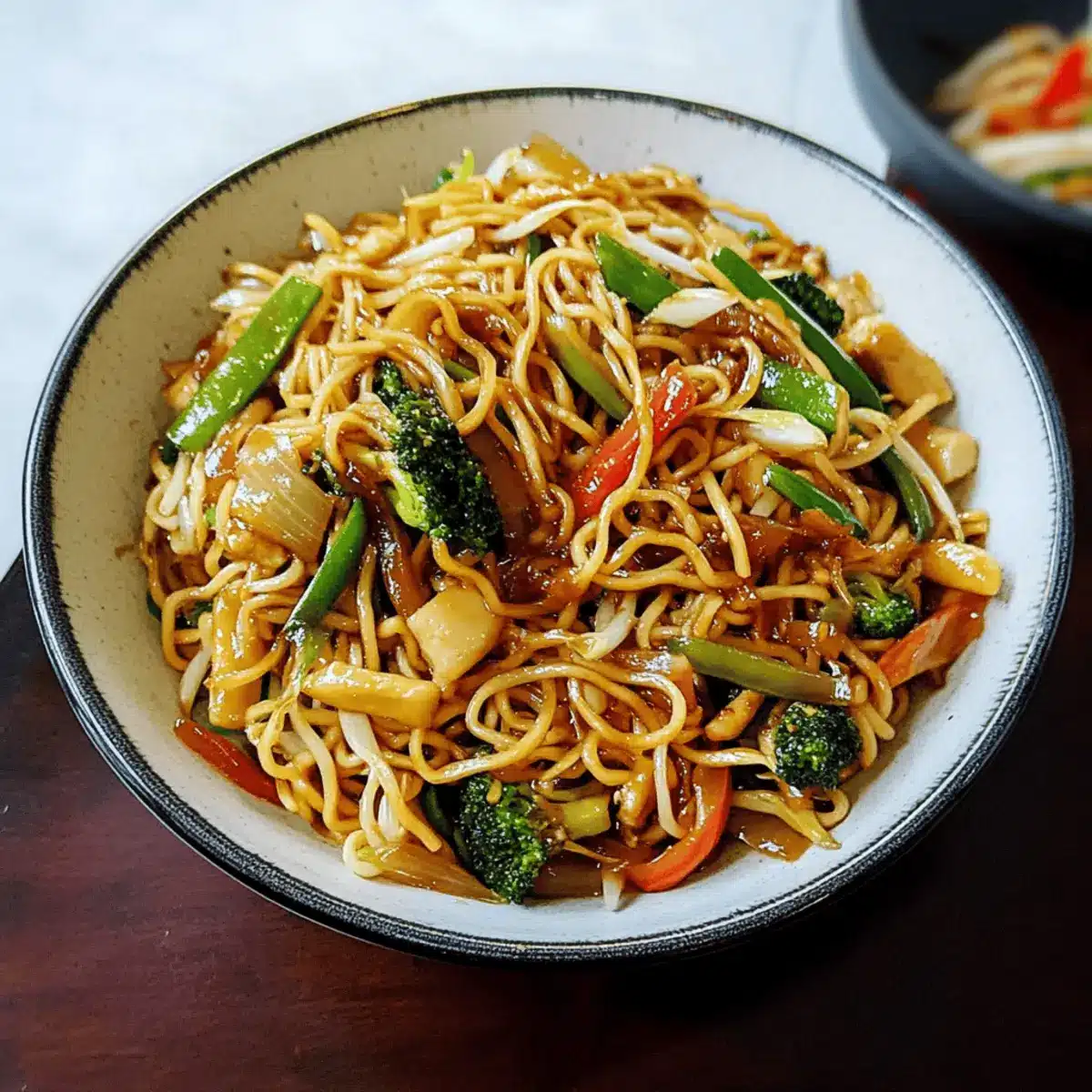
These vegetarian chow mein preparations are perfect for busy home cooks looking to save time during the week! You can chop your vegetables (carrots, bell peppers, snap peas, and cabbage) up to 3 days in advance and store them in an airtight container in the refrigerator to keep them crisp and fresh. Additionally, prepare the sauce ahead of time and store it in the fridge for up to 24 hours. When you’re ready to enjoy, simply boil the noodles, stir-fry the veggies, combine everything with the sauce, and toss together until hot. This way, you can serve a delicious and nourishing vegetarian chow mein with minimal effort, just as delightful as when made fresh!
What to Serve with Vegetarian Chow Mein?
There’s something truly special about completing your homemade chow mein feast with delectable sides that elevate every bite and delight your senses.
-
Steamed Broccoli: Offers a vibrant green contrast and a tender crunch that balances the dish’s flavors beautifully. It’s nutrient-rich and adds an earthy note.
-
Crispy Spring Rolls: These bite-sized delights bring a satisfying crunch and a touch of sweetness when paired with the savory chow mein. A great starter that makes every meal feel festive!
-
Garlic Edamame: Lightly salted and coated in garlic, these young soybeans provide a delightful chew and complement the noodles’ richness with their nutty flavors.
-
Miso Soup: A warm, comforting bowl of miso soup adds a delicate umami flavor that enhances the experience without overshadowing the lively chow mein.
-
Asian Cucumber Salad: Refreshingly crisp and tangy, this salad adds a bright contrast and helps cleanse the palate between bites of chow mein, keeping the meal light.
-
Sesame Ginger Dressing: Drizzle over mixed greens or as a dipping sauce for veggies—this flavorful dressing ties the meal together with its zesty punch.
-
Chilled Green Tea: To wash it all down, a soothing cup of green tea complements the entire meal’s flavors while providing a refreshing break from richer dishes.
-
Fried Bananas with Honey: A sweet ending to your meal, these warm, caramelized bananas drizzled with honey are a delightful contrast to the savory chow mein, inviting everyone to indulge.
-
Fortune Cookies: For fun and amusement, these crispy cookies are a light ending that also brings a touch of excitement to your meal.
Variations & Substitutions for Vegetarian Chow Mein
Feel free to make your chow mein even more special by trying out these delicious variations!
-
Gluten-Free: Swap out traditional noodles for gluten-free rice noodles—just cook according to package instructions for a safe, tasty meal.
-
Add More Veggies: Toss in mushrooms or zucchini for an earthy depth and delightful texture—experiment with what’s in your fridge!
-
Spicy Kick: Enhance your dish with fresh sliced chilies or chili paste to elevate the heat; just adjust to your preferred spice level for the perfect zing.
-
Creamy Twist: For a decadent version, stir in a spoonful of peanut butter or coconut cream, giving your chow mein a rich and nutty essence that harmonizes beautifully.
-
Protein Power: Boost protein by including edamame or chickpeas; both add a satisfying bite and make the dish more filling for any hungry diner.
-
Herb Infusion: Finishing with a sprinkle of fresh cilantro or basil adds a refreshing burst of flavor, transforming your dish into a fragrant feast.
-
Vegan Delight: Make sure all sauces are vegan-friendly, or substitute oyster sauce with a splash of soy sauce and a bit of maple syrup for the needed sweetness.
-
Nutty Crunch: Top with toasted sesame seeds or crushed peanuts for an irresistible crunch—the perfect way to boost both flavor and texture in every bite!
How to Store and Freeze Vegetarian Chow Mein
-
Room Temperature: Best enjoyed fresh, but if left out, consume within 2 hours to ensure safety and quality.
-
Fridge: Store leftovers in an airtight container in the fridge for up to 3 days. Reheat with a splash of water to revive the noodles.
-
Freezer: Freeze portions in airtight containers for up to 2 months. Thaw in the refrigerator overnight before reheating.
-
Reheating: Reheat on the stovetop over medium heat, adding a little oil or water to prevent sticking and retain the dish’s original flavor and texture.
Expert Tips for Vegetarian Chow Mein
- Prep Veggies Uniformly: Cut all vegetables into similar sizes to ensure even cooking and maintain the perfect crisp-tender texture in your vegetarian chow mein.
- Avoid Overcooking Noodles: Drain noodles as soon as they’re al dente to prevent mushiness; tossing with sesame oil keeps them from sticking together.
- Balance Your Sauce: Taste and adjust the soy and vegetarian oyster sauce ratio for a savory but not overpowering flavor that complements the veggies beautifully.
- High Heat Stir-Fry: Use a hot wok or skillet to cook veggies quickly, preserving their vibrant color and crunch vital to authentic vegetarian chow mein.
- Add Bean Sprouts Last: Toss in sprouts and green onions just before serving to retain their fresh crunch and bright flavor without wilting.
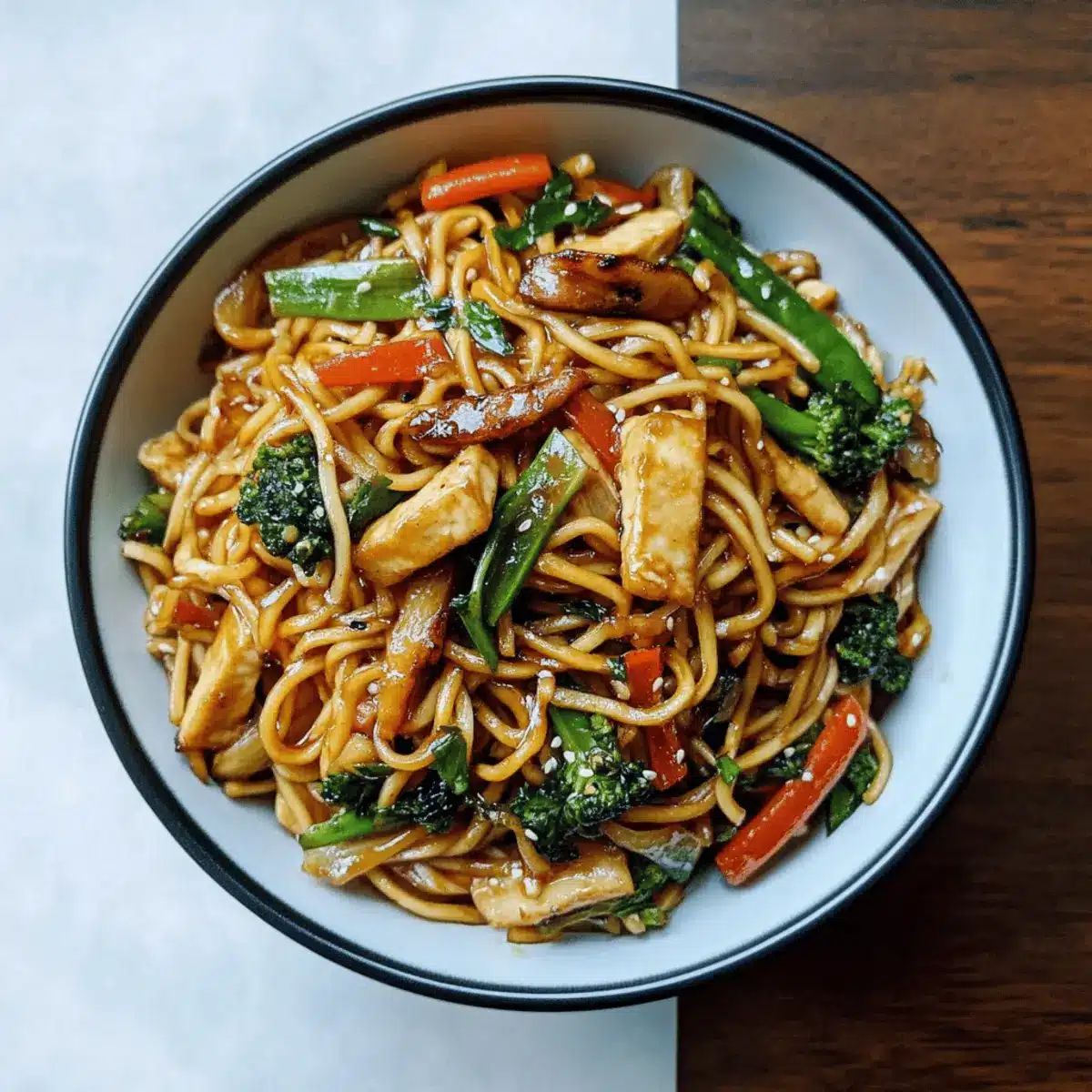
Easy Vegetarian Chow Mein Recipe with Bold, Flavor-Packed Veggies Recipe FAQs
How do I choose the best vegetables for Vegetarian Chow Mein?
Look for fresh, crisp veggies with vibrant colors—bright bell peppers without wrinkles, snap peas that snap firmly when bent, and carrots that are firm without any dark spots. Freshness ensures that crunchy, fresh texture that makes this dish so delightful.
What’s the best way to store leftover Vegetarian Chow Mein?
Store any leftovers in an airtight container in the fridge for up to 3 days. When ready to eat, reheat gently on the stove, adding a splash of water to loosen the noodles and keep the veggies tender-crisp. Avoid leaving the dish at room temperature longer than 2 hours for food safety.
Can I freeze Vegetarian Chow Mein, and how should I do it?
Absolutely! Divide your cooled chow mein into individual portions and pack them tightly in airtight freezer-safe containers or heavy-duty zip-top bags. Label with the date and freeze for up to 2 months. To thaw, place frozen containers in the refrigerator overnight, then reheat on the stove with a bit of oil or water to restore the noodles’ texture.
My noodles are sticking together or getting mushy—what’s going wrong?
This usually happens if you overcook the noodles or don’t toss them with a little oil right after draining. I recommend draining noodles as soon as they’re al dente and tossing them lightly with sesame oil to keep them separate. When stir-frying, use high heat and avoid stirring too long to keep that perfect bite.
Is this Vegetarian Chow Mein safe for pets or people with allergies?
While this dish is packed with wholesome veggies, it includes soy sauce and sometimes nuts like cashews or peanuts, which can be allergens for some. It’s best to avoid sharing this meal with dogs or pets, as some ingredients like garlic and onions are toxic to them. For those with soy allergies, try using coconut aminos as a soy sauce substitute.
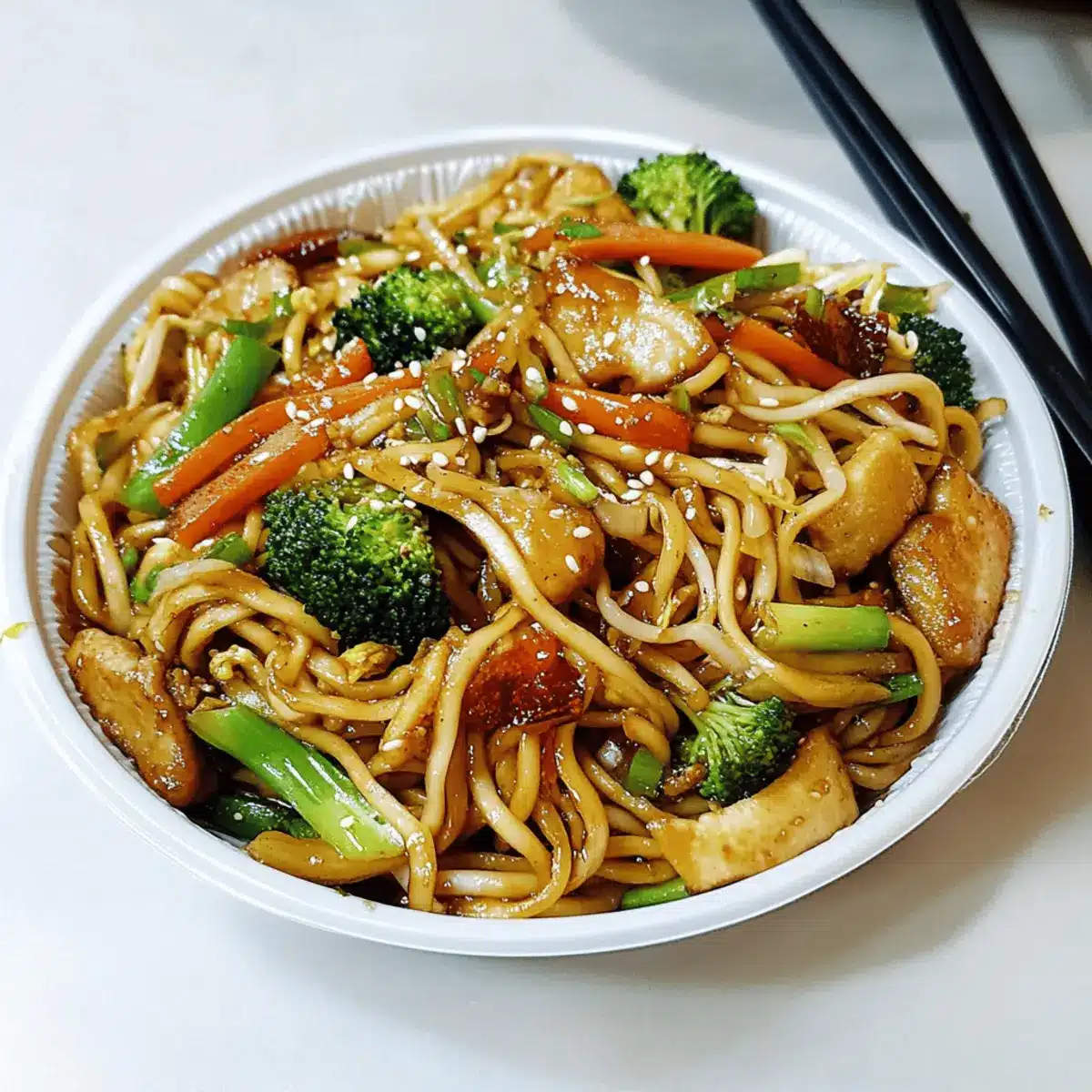
Easy Vegetarian Chow Mein Recipe with Bold, Flavor-Packed Veggies
Ingredients
Equipment
Method
- Bring a large pot of salted water to a rolling boil, cook chow mein noodles for 4–5 minutes until tender yet firm, then drain promptly to prevent sogginess.
- Transfer drained noodles to a bowl, drizzle with 1 teaspoon sesame oil, and toss gently to keep them from sticking.
- In a small bowl, whisk together soy sauce, vegetarian oyster sauce, sesame oil, minced garlic, and grated ginger until smooth and richly savory.
- Warm a large wok or skillet over medium-high heat for 1 minute until shimmering, then add a tablespoon of neutral oil, swirling to coat.
- Add carrots and bell peppers, tossing for 2–3 minutes until crisp-tender and colors pop, then stir in snap peas and shredded cabbage for another 1–2 minutes.
- Pour sauce over veggies, add noodles back to the wok, and toss vigorously for 1–2 minutes until everything is evenly coated and steaming hot.
- Stir in bean sprouts and sliced green onions, cook for 30 seconds more so sprouts stay crunchy and onions become fragrant.
- Divide chow mein among plates or bowls, sprinkle with optional garnishes, and enjoy while piping hot for the best texture and flavor.