Ingredients
For the Lamb:
- Leg of Lamb (Boneless or Bone-in): 4-5 pounds. Choosing between boneless and bone-in is a matter of preference. A bone-in leg of lamb will generally be more flavorful due to the bone marrow, and it tends to cook more evenly. However, a boneless leg is easier to carve after roasting. If using boneless, you may need to tie it with kitchen twine to ensure even cooking and a more appealing presentation. Look for a leg of lamb that is well-marbled with fat, as this fat will render during cooking, keeping the lamb moist and flavorful. Grass-fed lamb will have a richer, more pronounced lamb flavor, while grain-fed lamb will be milder and slightly sweeter. Choose according to your taste preference and availability.
- Olive Oil: 2 tablespoons. Extra virgin olive oil is recommended for its superior flavor and health benefits. It will be used to sear the lamb and to create a flavorful base for the marinade.
- Garlic Cloves: 4-5 cloves, minced. Freshly minced garlic is essential for its pungent aroma and robust flavor. Pre-minced garlic from a jar can be used in a pinch, but fresh garlic will always provide a brighter, more vibrant taste.
- Fresh Rosemary: 2 tablespoons, chopped. Rosemary is a classic herb pairing with lamb, offering a piney, fragrant note that complements the richness of the meat. Fresh rosemary is preferred for its more intense aroma and flavor compared to dried rosemary.
- Fresh Thyme: 2 tablespoons, chopped. Thyme adds an earthy, slightly lemony flavor that enhances the savory notes of the lamb and balances the sweetness of the plum glaze. Similar to rosemary, fresh thyme is superior in flavor to dried thyme.
- Salt: 2 teaspoons, or to taste. Kosher salt or sea salt are recommended for their pure flavor and ability to season effectively. Salt is crucial for drawing out the natural flavors of the lamb and enhancing the overall taste.
- Black Pepper: 1 teaspoon, freshly ground, or to taste. Freshly ground black pepper provides a more pungent and aromatic flavor compared to pre-ground pepper. Pepper adds a subtle spice and depth to the lamb.
For the Plum Glaze:
- Plum Preserves (or Plum Jam): 1 cup. High-quality plum preserves or jam are the heart of this glaze. Look for preserves with a good balance of sweetness and tartness, and with visible pieces of plum for texture. Avoid overly sugary or artificially flavored preserves. If you prefer a less sweet glaze, you can opt for plum butter, which is typically less sweet than preserves or jam.
- Soy Sauce (Low Sodium): ¼ cup. Low sodium soy sauce is recommended to control the saltiness of the glaze. Soy sauce adds umami, a savory depth of flavor, and a touch of saltiness that balances the sweetness of the plums.
- Rice Vinegar: 2 tablespoons. Rice vinegar contributes a mild acidity and subtle sweetness that brightens the glaze and complements the other flavors. Apple cider vinegar or white wine vinegar can be used as substitutes if rice vinegar is not available, but rice vinegar provides a more delicate and nuanced flavor.
- Fresh Ginger: 1 tablespoon, grated. Fresh ginger adds a warm, slightly spicy, and aromatic note to the glaze. It provides a lovely counterpoint to the sweetness of the plums and the savory notes of the lamb. Use a microplane or fine grater to grate the ginger for the best texture and flavor release.
- Garlic Clove: 1 clove, minced. An additional clove of garlic in the glaze enhances the savory depth and adds another layer of flavor complexity.
- Red Pepper Flakes (Optional): ½ teaspoon, or to taste. Red pepper flakes add a subtle hint of heat that balances the sweetness and richness of the glaze. Adjust the amount to your spice preference, or omit them altogether if you prefer a glaze without any heat.
- Water: ¼ cup. Water is used to thin the glaze to the desired consistency and to help it coat the lamb evenly during roasting.
Instructions
Step 1: Prepare the Lamb (Prepping and Searing)
- Preheat Your Oven and Prepare the Lamb: Preheat your oven to 325°F (160°C). This lower temperature is ideal for slow roasting, which ensures tender and juicy lamb. While the oven preheats, take your leg of lamb out of the refrigerator and pat it dry with paper towels. Patting it dry is crucial for achieving a good sear. Excess moisture will steam the lamb instead of allowing it to brown properly.
- Season the Lamb: In a small bowl, combine the minced garlic, chopped rosemary, chopped thyme, salt, and black pepper. This herb and garlic mixture will form the flavorful base of your lamb. Rub the olive oil all over the leg of lamb. This will help the seasoning adhere and promote browning during searing. Then, generously rub the herb and garlic mixture all over the lamb, ensuring every surface is coated. Massage the seasoning into the lamb for a minute or two to help it penetrate the meat.
- Sear the Lamb (Optional but Highly Recommended): Heat a large, oven-safe skillet or Dutch oven over medium-high heat. Searing the lamb before roasting is an optional but highly recommended step. Searing creates a beautiful brown crust on the outside of the lamb, which adds depth of flavor and visual appeal. Once the skillet is hot, carefully place the leg of lamb in the skillet. Sear on all sides until nicely browned, about 2-3 minutes per side. Use tongs to turn the lamb and ensure even searing on all surfaces. The searing process should take approximately 10-12 minutes in total.
Step 2: Prepare the Plum Glaze (Sweet and Savory Harmony)
- Combine Glaze Ingredients: While the lamb is searing (or if you choose to skip searing), prepare the plum glaze. In a medium saucepan, combine the plum preserves, soy sauce, rice vinegar, grated ginger, minced garlic clove, and red pepper flakes (if using).
- Simmer the Glaze: Place the saucepan over medium heat and bring the glaze to a gentle simmer. Simmer for 5-7 minutes, stirring occasionally, until the glaze thickens slightly and the flavors meld together. Simmering allows the flavors to meld and deepen, creating a more complex and delicious glaze. Taste the glaze and adjust seasoning as needed. You may want to add a pinch more salt, pepper, or red pepper flakes to balance the flavors to your preference.
Step 3: Roast the Lamb (Slow and Low for Tenderness)
- Position the Lamb and Add Water (If Necessary): If you seared the lamb in an oven-safe skillet or Dutch oven, you can leave it in the same pan. If not, transfer the seared lamb to a roasting pan. Add ¼ cup of water to the bottom of the roasting pan. Adding a small amount of water to the pan creates steam, which helps to keep the lamb moist during roasting.
- Roast the Lamb: Place the roasting pan with the lamb in the preheated oven. Roast for approximately 1 ½ to 2 hours for medium-rare, or 2 to 2 ½ hours for medium, or until the internal temperature reaches your desired level of doneness. Use a meat thermometer to accurately gauge the internal temperature. For medium-rare, aim for 130-135°F (54-57°C). For medium, aim for 135-140°F (57-60°C). For medium-well, aim for 140-145°F (60-63°C). Roasting times will vary depending on the size and shape of your leg of lamb and your oven.
- Glaze the Lamb (Layering Flavor): After the lamb has roasted for about 1 hour, begin glazing it with the plum glaze. Remove the roasting pan from the oven and brush a generous layer of the plum glaze all over the lamb. Return the lamb to the oven and continue roasting for another 30-45 minutes, brushing with glaze every 15 minutes. Glazing in layers allows the glaze to build up a rich, flavorful crust on the lamb. Reserve some of the glaze for serving.
Step 4: Rest the Lamb (Crucial for Juiciness)
- Check for Doneness and Rest: Once the lamb reaches your desired internal temperature, remove it from the oven. Tent the lamb loosely with foil and let it rest for at least 15-20 minutes before carving. Resting is a crucial step for juicy and tender lamb. During resting, the juices redistribute throughout the meat, resulting in a more flavorful and tender final product. Do not skip this step!
Step 5: Carve and Serve (The Grand Finale)
- Carve the Lamb: After resting, transfer the leg of lamb to a cutting board. If you used a boneless leg, remove the kitchen twine if you used it. Carve the lamb against the grain into slices. Carving against the grain ensures more tender slices.
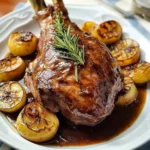
- Serve and Enjoy: Arrange the carved lamb slices on a serving platter. Drizzle with the reserved plum glaze. Garnish with fresh rosemary sprigs, if desired, for visual appeal. Serve immediately and enjoy the symphony of flavors!
Nutrition
- Serving Size: one normal portion
- Calories: 450-550
- Fat: 25-35 grams
- Carbohydrates: 20-30 grams
- Protein: 40-50 grams