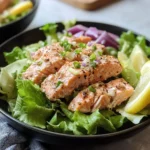
Ingredients
Scale
- 1 can (5-6 ounces) Salmon, drained: The star of the show, canned salmon is not only incredibly convenient but also packed with nutritional benefits. Opt for wild-caught salmon if possible, as it tends to be higher in omega-3 fatty acids and lower in contaminants. You can choose salmon with bones and skin for added calcium and nutrients, or boneless and skinless for a smoother texture – both work wonderfully in this recipe. Draining the salmon thoroughly is key to prevent the salad from becoming watery. Don’t discard the salmon liquid; it can be used to moisten the salad if needed, adding back some of the rich salmon flavor.
- 1/4 cup Mayonnaise: Mayonnaise acts as the creamy binder that brings all the ingredients together, creating that classic salmon salad texture. For a richer flavor, you can use full-fat mayonnaise. If you’re looking for a lighter option, consider using light mayonnaise or even Greek yogurt as a healthier alternative. Greek yogurt will add a tangy flavor and boost the protein content even further. Experimenting with different types of mayonnaise or yogurt can significantly alter the final taste profile of your salad, allowing you to tailor it to your liking.
- 2 tablespoons Finely Diced Celery: Celery provides a delightful crunch and a subtle, refreshing flavor that complements the richness of the salmon. Finely dicing the celery ensures that it integrates seamlessly into the salad without overpowering the other ingredients. If you don’t have celery on hand, you could substitute it with finely diced cucumber for a similar refreshing crunch, or even bell pepper for a slightly sweeter note and added color.
- 2 tablespoons Finely Diced Red Onion: Red onion adds a zesty bite and a touch of sharpness that cuts through the richness of the mayonnaise and salmon. Finely dicing the red onion is crucial to avoid overwhelming the salad with its strong flavor. If you prefer a milder onion flavor, you can soak the diced red onion in cold water for a few minutes before adding it to the salad – this helps to mellow out its sharpness. Alternatively, you could use finely chopped chives or green onions for a milder onion flavor and a vibrant green color.
- 1 tablespoon Lemon Juice: Fresh lemon juice is essential for brightening up the salmon salad and adding a touch of acidity that balances the richness of the mayonnaise and salmon. The acidity of the lemon juice also helps to prevent the salmon salad from tasting too heavy. Freshly squeezed lemon juice is always preferred for its brighter and more vibrant flavor compared to bottled lemon juice. If you don’t have lemon juice, a splash of white wine vinegar or apple cider vinegar can be used as a substitute, although lemon juice provides a more classic flavor profile for salmon salad.
- 1/4 teaspoon Black Pepper: Black pepper adds a subtle warmth and depth of flavor to the salmon salad. Freshly ground black pepper is always recommended for its more intense and aromatic flavor. Adjust the amount of black pepper to your personal preference. You can also experiment with other spices, such as a pinch of cayenne pepper for a subtle kick, or a dash of paprika for a smoky note and a hint of color.
- Optional: 1 tablespoon Fresh Dill, chopped: Fresh dill elevates the flavor profile of the salmon salad to a whole new level, adding a fresh, herbaceous, and slightly lemony note that pairs perfectly with salmon. If you have fresh dill available, it is highly recommended to include it in this recipe. Chop the dill finely to ensure it distributes evenly throughout the salad. If you don’t have fresh dill, you can use dried dill, but fresh dill provides a significantly brighter and more vibrant flavor. Other fresh herbs that complement salmon salad well include parsley, chives, or tarragon.
Instructions
- Drain the Salmon Thoroughly: Begin by opening the can of salmon and carefully draining it over a sink or bowl. Ensure you remove as much liquid as possible. Excess liquid can make the salad watery and less flavorful. If you are using salmon with bones and skin and prefer a smoother texture, you can remove them at this stage. However, for added nutrients and convenience, you can simply flake the salmon with the bones and skin intact – they are perfectly edible and will soften in the salad.
- Combine Salmon and Mayonnaise in a Bowl: In a medium-sized mixing bowl, add the drained salmon and mayonnaise. Use a fork to gently flake the salmon into smaller pieces and combine it with the mayonnaise. Mix until the salmon is evenly coated with the mayonnaise, creating a creamy base for the salad. Avoid overmixing, as this can make the salmon salad mushy.
- Add Celery, Red Onion, and Lemon Juice: Next, add the finely diced celery, finely diced red onion, and lemon juice to the bowl. These ingredients provide crucial flavor and texture to the salmon salad. The celery adds crunch, the red onion adds zest, and the lemon juice brightens up the overall flavor profile.
- Season with Black Pepper and Optional Dill: Season the salmon salad with black pepper. Start with 1/4 teaspoon and adjust to your taste. If you are using fresh dill, add it to the bowl at this stage. Dill enhances the flavor of the salmon and adds a fresh, herbaceous note.
- Mix Gently to Combine: Using a fork or spoon, gently mix all the ingredients together until they are well combined. Be careful not to overmix, as this can break down the salmon and make the salad lose its texture. You want to ensure all the ingredients are evenly distributed throughout the mayonnaise and salmon mixture.
- Taste and Adjust Seasoning: Give the salmon salad a taste and adjust the seasoning as needed. You may want to add a pinch more black pepper, a squeeze more lemon juice, or a touch more mayonnaise to reach your desired flavor and consistency. This is the perfect time to customize the salad to your personal preferences.
- Serve Immediately or Chill: Your 5-Minute Salmon Salad is now ready to serve! You can enjoy it immediately for a quick and satisfying meal. Alternatively, you can chill it in the refrigerator for later. Chilling the salad allows the flavors to meld together even further, and it’s often preferred served cold, especially on a warm day. Store any leftover salmon salad in an airtight container in the refrigerator for up to 2-3 days.
Nutrition
- Serving Size: One Normal Portion
- Calories: 250-300
- Sodium: 300-400 mg
- Fat: 15-20 grams
- Saturated Fat: 3-5 grams
- Carbohydrates: 2-3 grams
- Fiber: 1 gram
- Protein: 20-25 grams
- Cholesterol: 50-70 mg